Choosing an approach that fits the application
Our mobile experience spans Flutter development, native Android and iOS work, and shared business logic through Kotlin Multiplatform.
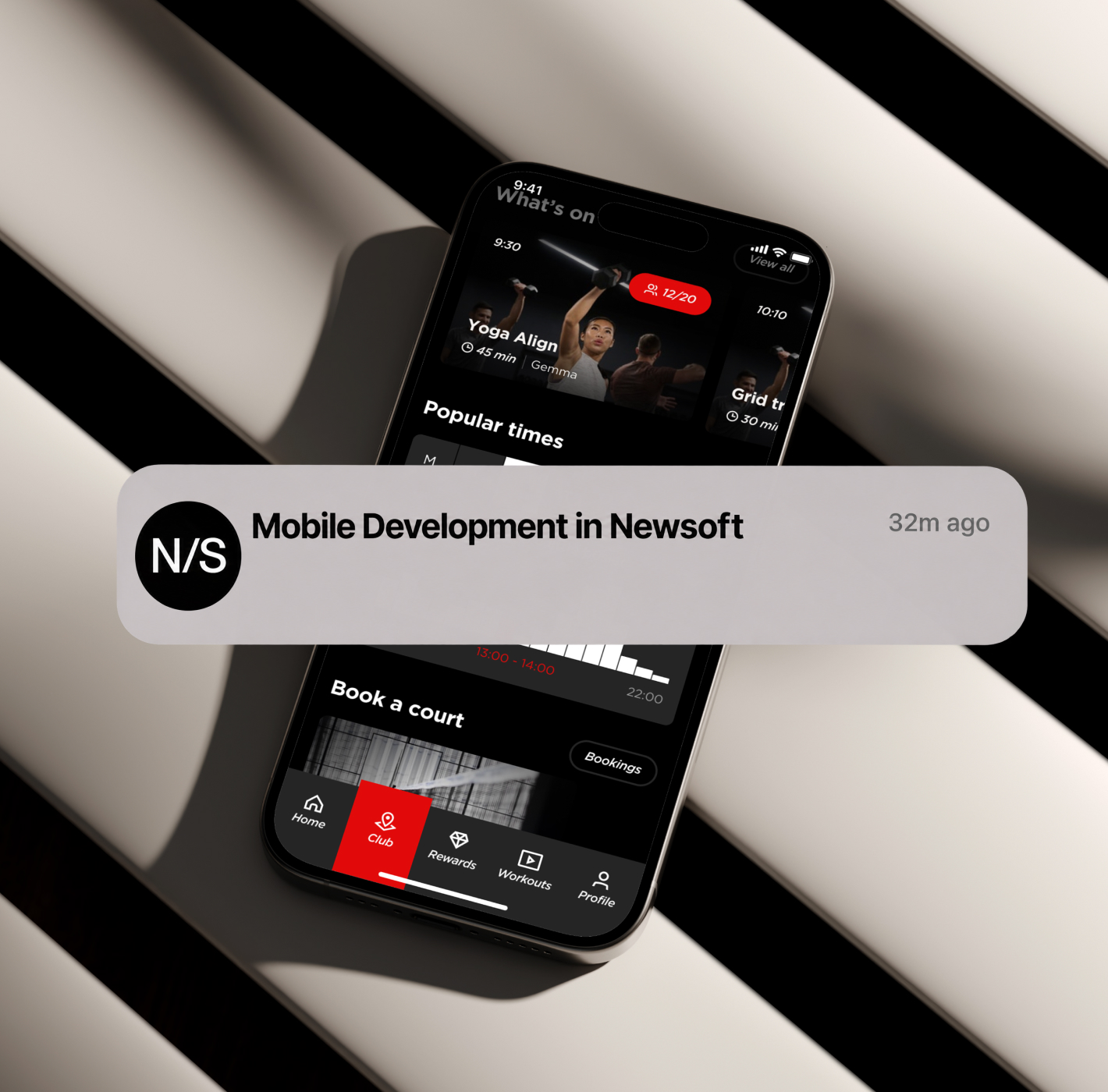
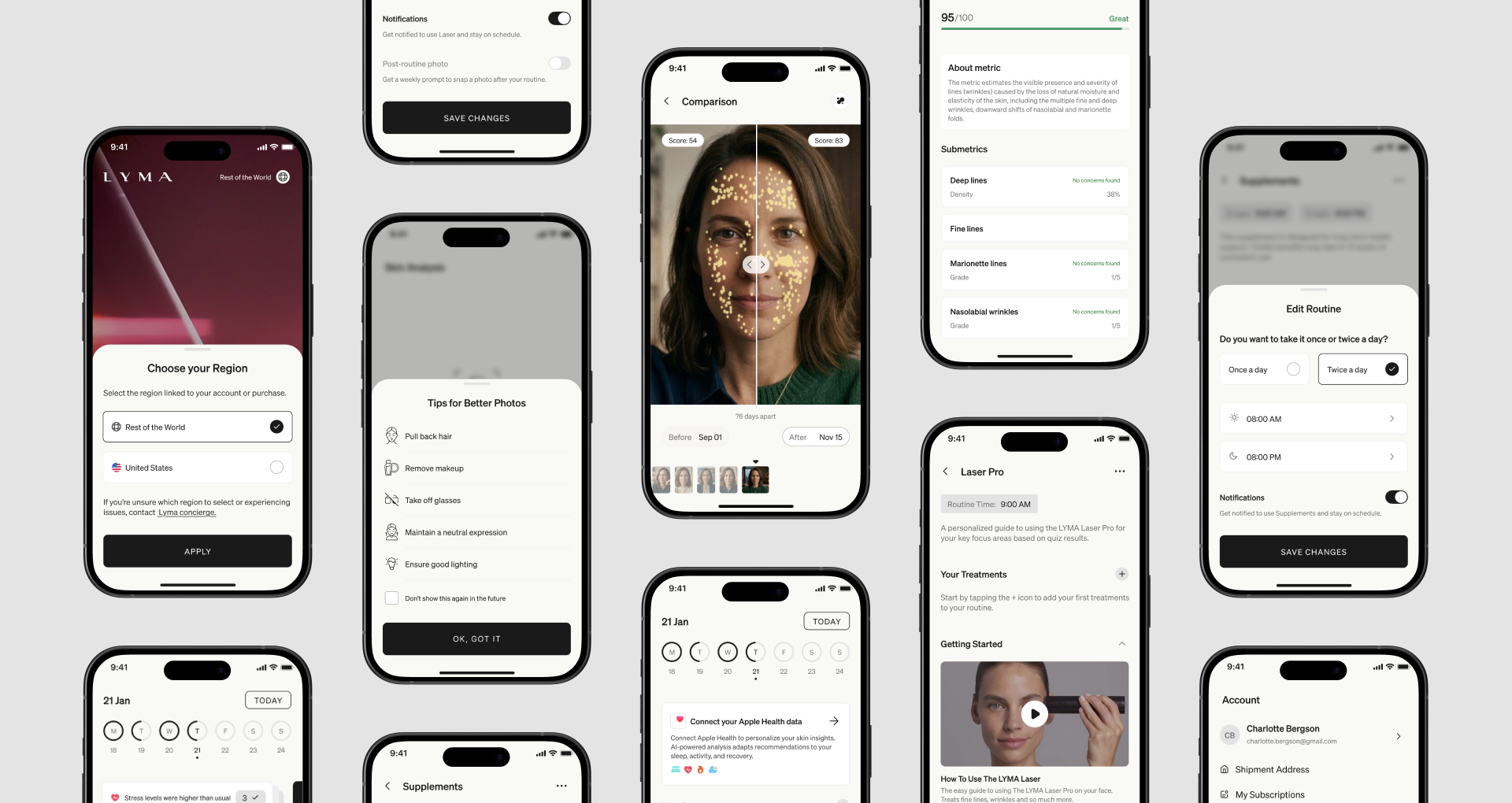
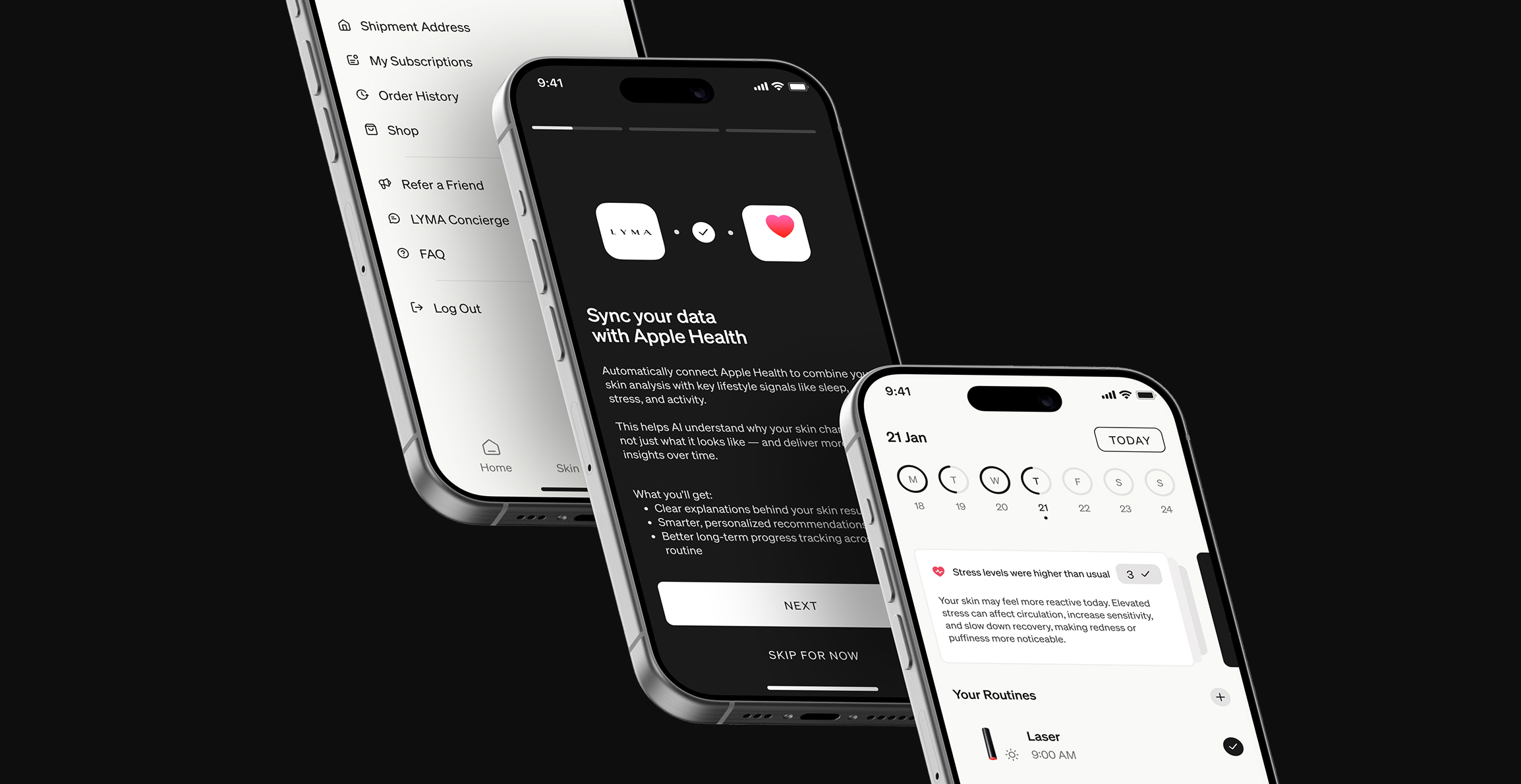
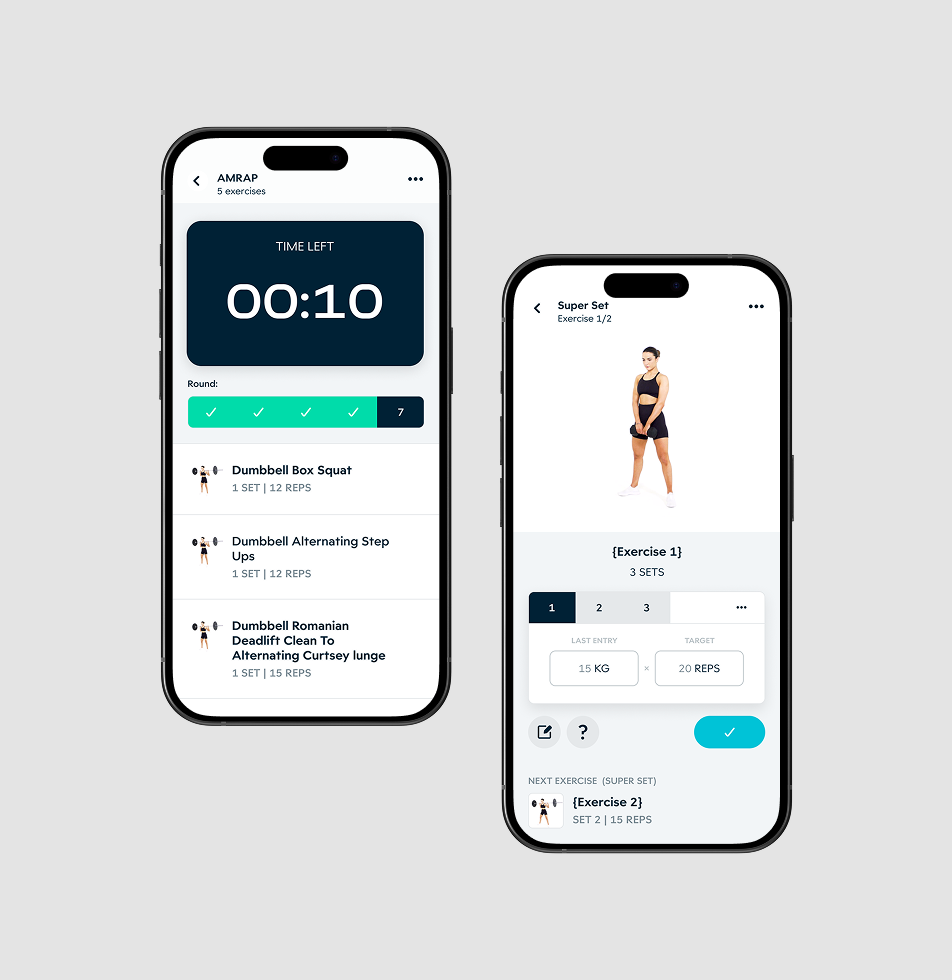
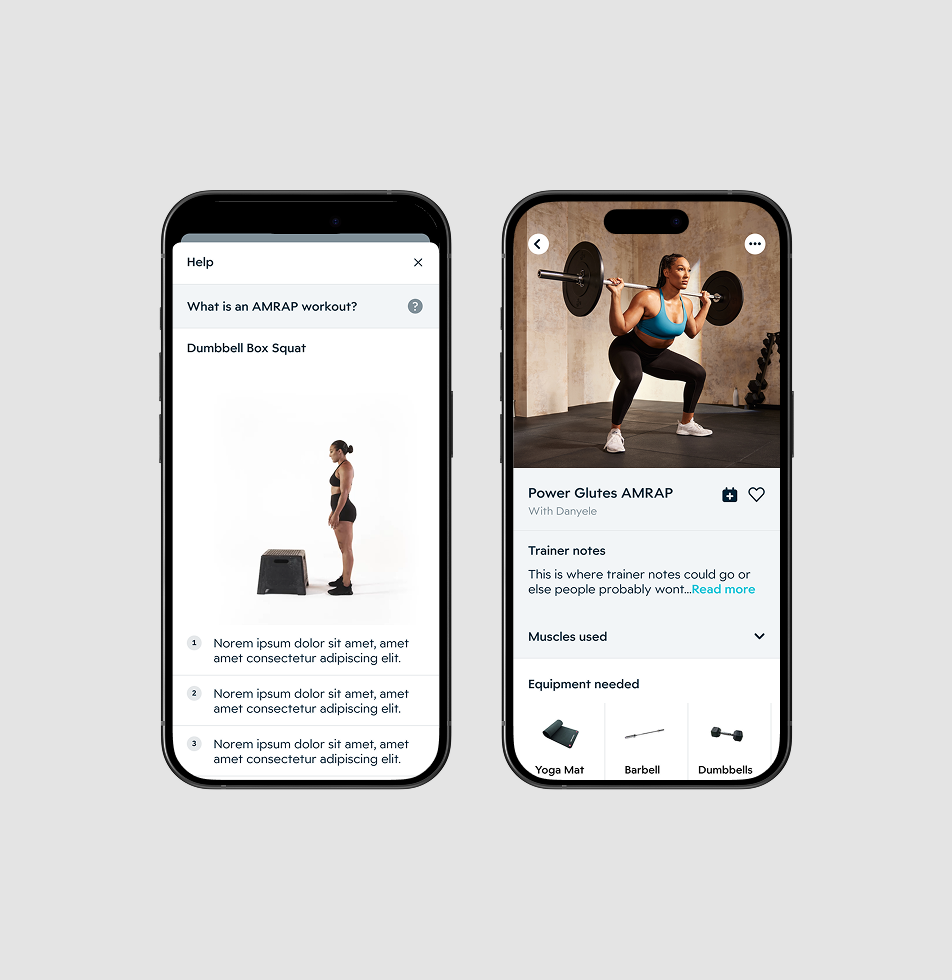
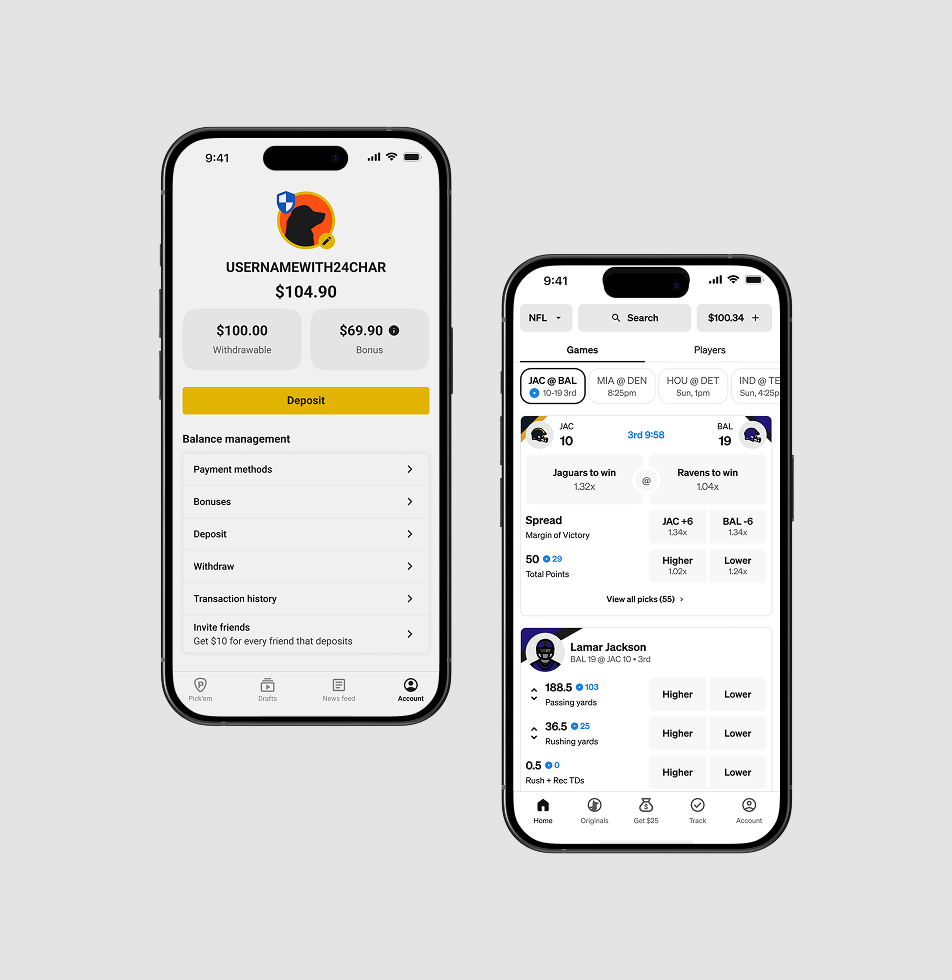
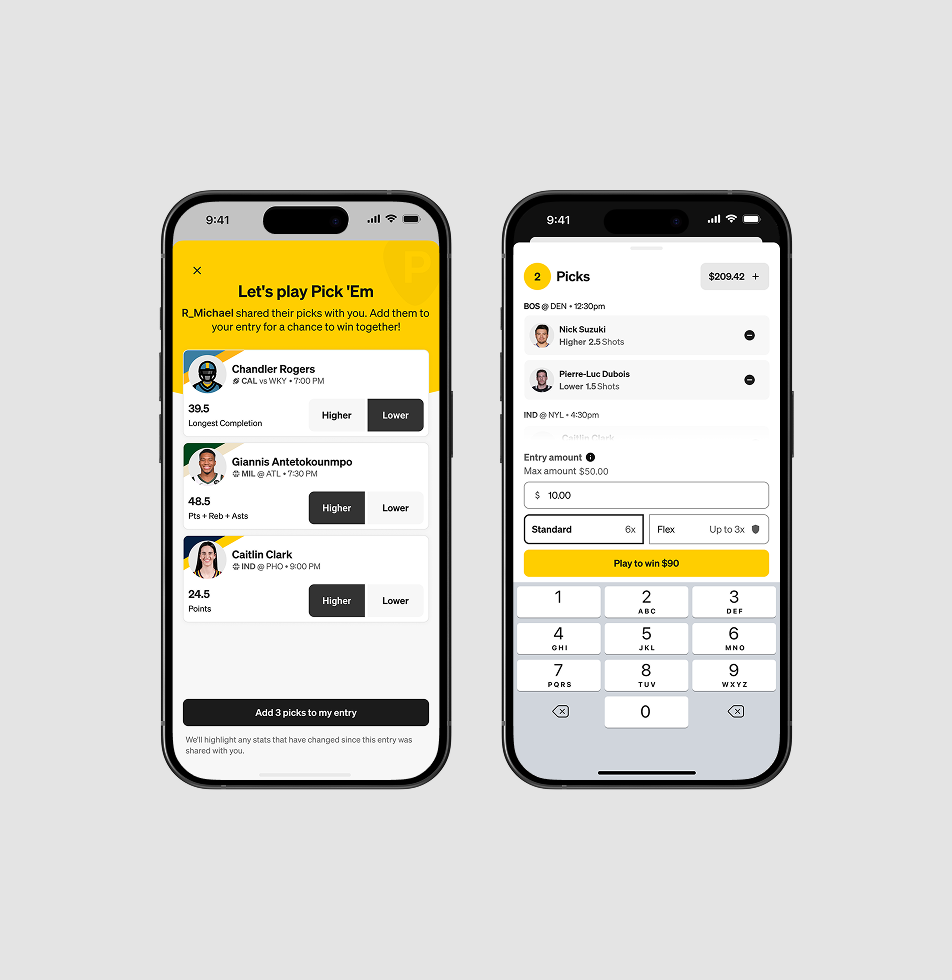
The relevant choice depends on the product. LYMA involved creating a new application with Flutter developers working alongside backend engineers, designers, QA, and product management. Virgin Active involved sharing business logic while retaining platform-specific interfaces. Underdog included modernising an existing Android codebase.
For a new app, platform requirements, integrations, and the intended user experience help shape the technology decision. For an existing app, the current architecture and your team’s ability to maintain it are equally relevant.
A useful discussion begins with the capabilities your product needs and the constraints your engineers already work within.
How responsibility is shared
We support two forms of collaboration, depending on how much responsibility your team wants to retain.
An agreed product scope across design and engineering. LYMA demonstrates a broader development engagement, with Newsoft bringing together the disciplines needed to build the application. The boundaries of a new engagement should specify which product areas, integrations, and delivery responsibilities belong to each team. Our custom software development approach explains this model in more detail.
Engineers working within your team. In staff augmentation, you interview and approve the engineers, set priorities, assign tasks, and lead code review. Our engineers work in your tools, join relevant meetings, and contribute within the agreed role. Newsoft’s leadership maintains contact to gather feedback and address collaboration questions. Read more about working with Newsoft engineers.
Building a new app and improving an existing one describe the product’s starting point. The collaboration model depends on the people and responsibilities you need around that work.
What affects scope and delivery estimates?
The number of screens is only one part of a mobile development estimate. The behaviour behind those screens can carry much of the complexity.
Useful factors to discuss include:
- User journeys: onboarding, subscriptions, personalised routines, live updates, or other core interactions.
- Platforms: Android, iOS, shared functionality, and platform-specific requirements.
- Existing systems: code quality, architecture, documentation, test coverage, and backend readiness.
- Integrations: payments, authentication, commerce platforms, content management, and external SDKs.
- Markets: localisation, regional configurations, and infrastructure or data requirements.
- Delivery responsibilities: who provides designs, manages dependencies, reviews changes, and handles release activities.
For an existing product, a focused feature may depend on changes elsewhere in the system. For a new application, defining the first release helps distinguish essential capabilities from later additions. These details make the conversation about scope, budget, and timing more concrete.
Start with your next mobile product milestone
For a new app, bring a short description of the users, the problem you want to solve, and what the first release should enable. Existing designs and integration requirements are useful if you have them.
For an existing product, share the app, its technology stack, your team structure, and the journeys or technical limitations you want to improve.
Discuss your mobile app with Newsoft tell us what you are building or improving and where you need support.